Why an Independent Protest Brand Matters for Free Speech and Democracy
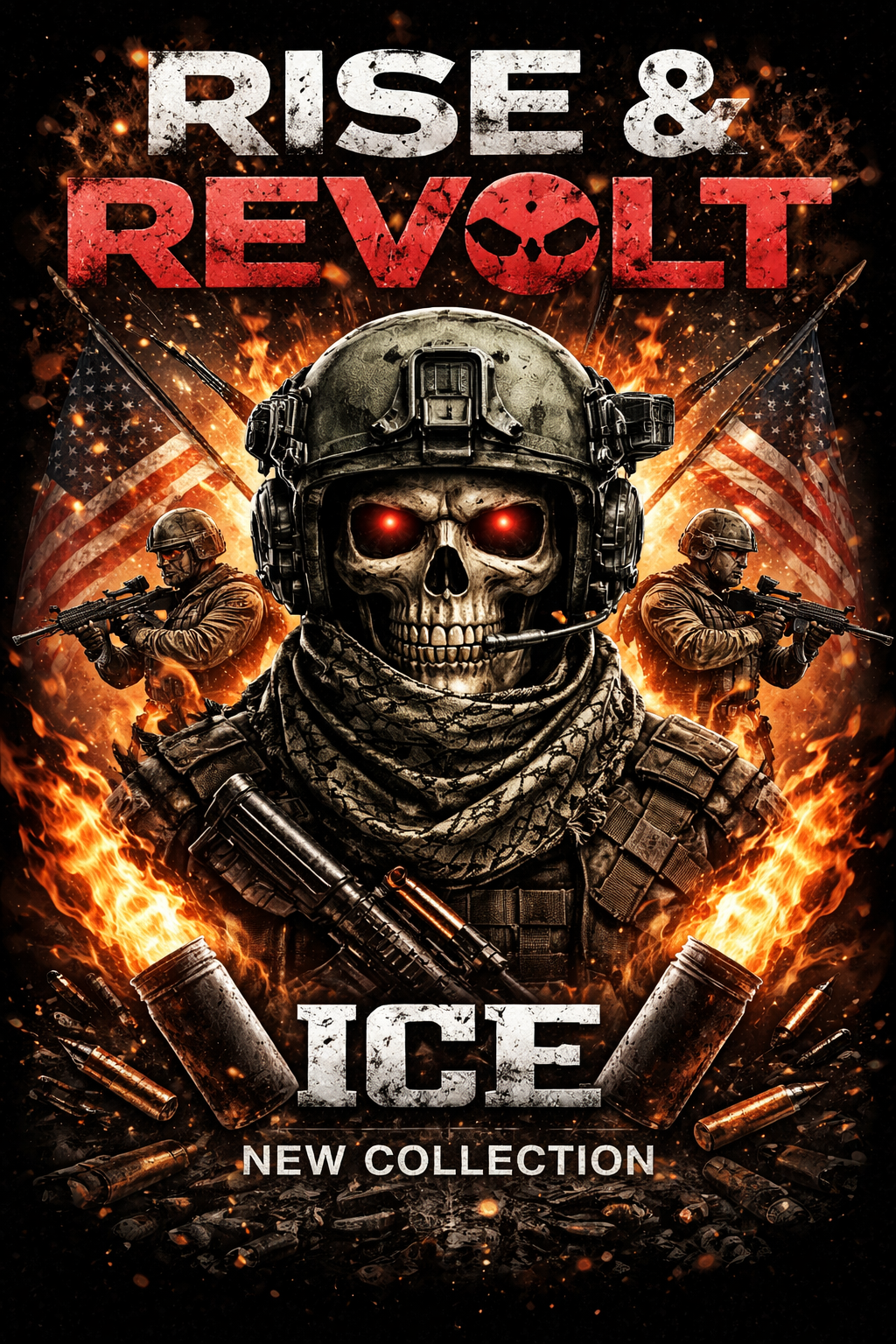
For years, I walked into chain stores and saw racks of blank tees with nothing to say. A few big names offered slogans, but they always felt sanitized, like they were trying to appeal to everyone and no one at the same time. That kind of mass-market activism never sat right with me. It felt like wearing a costume instead of standing for something. That is why I started paying attention to the rise of the independent protest brand.
An independent protest brand is not just a clothing line. It is a statement about who you are and what you believe. When you buy a shirt from a small outfit that makes activist apparel, you are not just getting a piece of fabric. You are supporting a voice that refuses to be drowned out by corporate caution. These brands operate outside the usual machinery of big retail, which means they can take risks that larger companies cannot. They can be funny, angry, satirical, or blunt. They can call out power without worrying about upsetting shareholders.
Think about the difference between a shirt from Supreme and one from a grassroots activist label. Supreme has built its reputation on hype and scarcity, not on political conviction. Their designs might borrow from protest aesthetics, but the brand itself stays neutral. An independent protest brand, on the other hand, lives and breathes its message. It does not hedge. It does not wait to see which way the wind blows. It picks a side and stays there. That kind of clarity is rare in an era when tech companies and social media platforms spend millions trying to appear neutral while quietly bending to political pressure.
I have been to protest marches where the rally merchandise told a story. One group wore shirts from a local print shop that had been making anti-war designs for decades. Another group handed out buttons and patches from a collective that donates half its profits to bail funds. You could feel the history in those pieces. They were not just fashion. They were evidence of a longer fight. That is the kind of authenticity that a big brand like Patagonia tries to capture with its environmental campaigns, but even Patagonia has to answer to investors. An independent protest brand answers only to its community.
The Role of Satire and Bold Design
One of the most effective tools in the activist apparel world is satire. A well-placed joke can cut through noise faster than a lecture. I have seen shirts with satirical designs that made people laugh, then stop, then think. That is a powerful thing. It turns a T-shirt into a conversation starter. It takes an abstract issue like freedom of speech or civil liberties and makes it personal. You see someone wearing that shirt on the street and you know exactly where they stand. There is no ambiguity.
Satirical designs also help activists survive the emotional weight of their work. Protesting is exhausting. Fighting for democracy and human rights can burn you out. A little humor goes a long way. It keeps the movement human. It reminds people that joy and resistance can coexist. That is something that formal organizations like Amnesty International and Planned Parenthood understand well. They use humor in their campaigns because it works. But their official merchandise often has to pass through layers of approval. An independent protest brand can be faster, funnier, and more pointed.
Bold design is not just about the image. It is about the message behind it. Some of the best activist apparel I have seen uses simple typography and strong colors to make a statement. No fancy graphics, just words that hit hard. That simplicity makes the shirts wearable for years. They do not go out of style because the issues they address do not go away. That is why I still have a shirt from a protest march in 2017. The design is faded, but the words are still true.
Beyond Clothing: Coffee and Community
Some independent protest brands have expanded beyond T-shirts and hoodies into other products that build community. Coffee is a natural fit. Activists drink a lot of it. Early morning organizing meetings, late night planning sessions, long days at rallies. Coffee keeps people going. A brand that sells its own coffee is not just selling a drink. It is creating a ritual. Every cup becomes a small act of solidarity. It ties the physical act of drinking to the larger mission of the brand.
I have friends who refuse to buy coffee from corporations like Corteva or Milo because of their labor and environmental records. They choose instead to buy from small roasters that source ethically and donate to causes they support. That same impulse drives people to buy activist apparel from independent brands. They want to know that their money is not funding the very systems they are protesting. They want transparency. They want to see where the profits go. An independent protest brand can offer that in a way that a giant conglomerate never can.
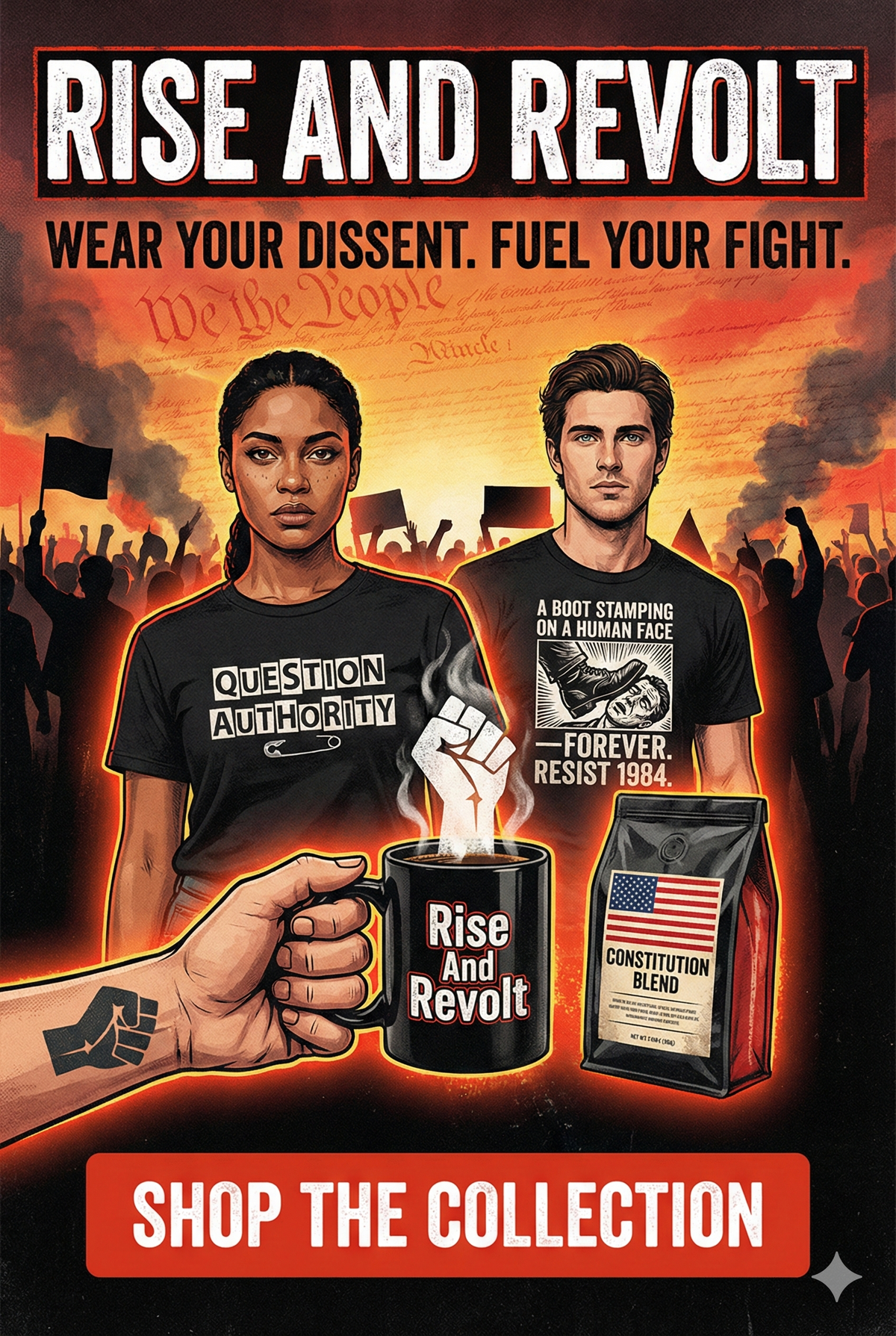
Of course, running an independent brand is not easy. Margins are thin. Supply chains are fragile. A single misstep can tank a small business. But the people who run these brands are not in it for the money. They are in it because they believe in the cause. They understand that a T-shirt is not just a product. It is a tool for organizing. It is a way to signal to others that they are not alone. That sense of belonging is powerful. It is what keeps movements alive between major protests.
Navigating Free Speech and Platform Risks
One of the biggest challenges for any independent protest brand is the threat of censorship. Social media platforms and tech companies have become the gatekeepers of what can be said online. A brand that uses satirical designs or controversial slogans can get its content removed, its account suspended, or its payment processing cut off. That has happened to numerous small activist labels over the past few years. It is a reminder that free speech is not guaranteed. It has to be defended.
Black Lives Matter faced this kind of suppression early on. So did groups organizing around climate justice and reproductive rights. The platforms claim they are enforcing community standards, but the standards are often applied unevenly. An independent protest brand has to be nimble. It has to diversify its distribution channels. It has to build a direct relationship with its customers so that if one platform shuts it down, it can still reach its audience. That is hard work, but it is necessary for survival.
I have seen brands pivot to newsletters, text message lists, and even old-fashioned mail order catalogs. They find ways to keep the message alive. That resilience is what makes the independent protest brand such an important part of the activist ecosystem. It is not just about selling merchandise. It is about creating infrastructure for free expression.
Practical Tips for Supporting Independent Activist Brands
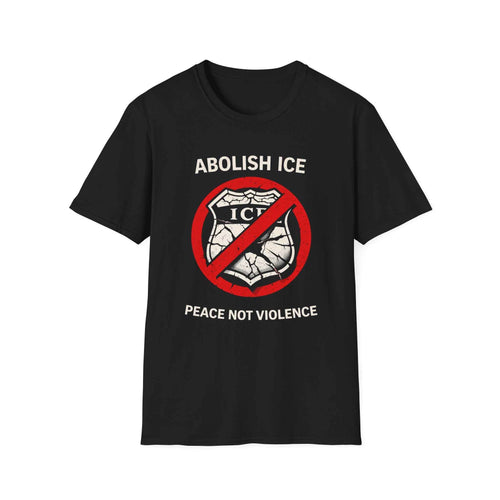
If you want to support these brands, there are a few things to keep in mind. First, look for transparency. A good brand will tell you where its products are made, who makes them, and where the profits go. Second, check for longevity. Brands that have been around for a few years are more likely to be stable and trustworthy. Third, engage with the community. Follow them on social media, attend their events, share their designs. The more people see them, the harder it is for platforms to ignore them.
- Look for brands that donate a portion of their profits to organizations like the Sierra Club or Planned Parenthood.
- Buy from brands that use ethical manufacturing and sustainable materials.
- Support brands that are honest about their challenges and their wins.
- Share their content to help them reach new audiences.
- Wear their designs proudly, even in everyday settings, not just at rallies.
In the end, what makes an independent protest brand special is not the shirt or the coffee. It is the commitment behind it. It is the willingness to take a stand even when it is not popular. It is the understanding that democracy and civil liberties require constant effort. They are not given. They are fought for. And the people who make and wear these products are part of that fight. They are not customers. They are co-conspirators.
So next time you are at a protest march or just walking down the street, take a look at the shirts around you. Some are just fashion. But some are signals from a community that refuses to stay silent. Those are the ones that matter. Those are the ones that remind us why we keep showing up.